
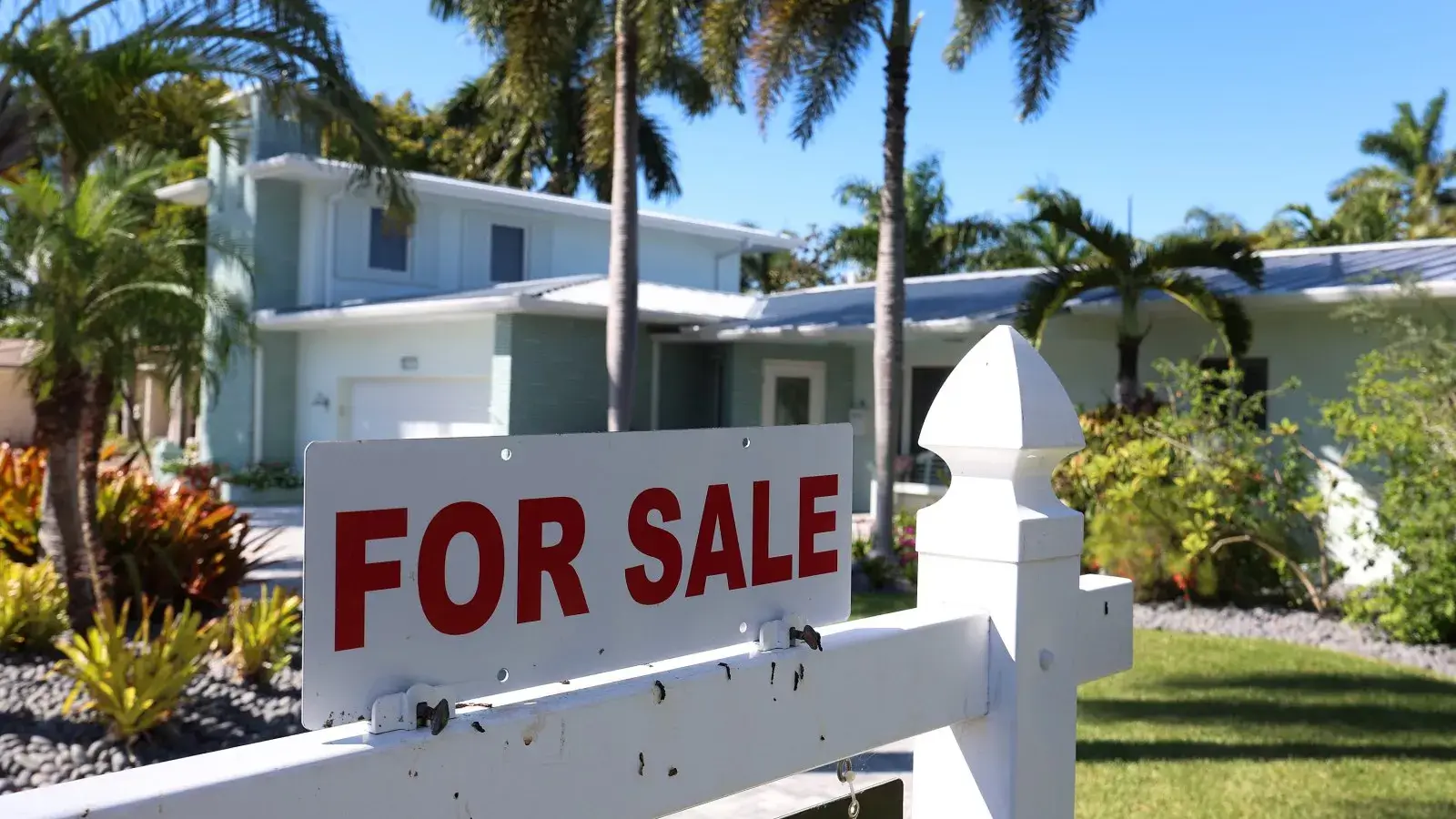
As we step further into 2025, the housing market continues to evolve under the influence of numerous economic and demographic forces. Homebuyers, sellers, and investors are all keenly interested in what this year holds for the real estate industry. While predicting the future of housing is never an exact science, experts have shared several key insights and expectations for the market. Here’s what you can expect for the 2025 housing market:
1. Mortgage Rates Stabilize
After a dramatic rise in mortgage rates throughout the early 2020s, 2025 is likely to see a stabilization in these rates. According to most forecasts, mortgage rates may remain higher than the historically low levels experienced during the pandemic years but will be relatively steady in comparison to the volatility of 2022 and 2023. A more predictable mortgage rate environment could provide potential homebuyers with a clearer picture of their financial options, though affordability challenges will remain a concern.
2. Home Prices Slow, but Still High
Home prices have skyrocketed in many parts of the U.S. in recent years, driven by low inventory and a competitive market. While experts don’t expect a drastic decline in home prices in 2025, many anticipate a deceleration in price growth. In certain markets where prices surged the most, a slight correction or leveling off may occur as buyers become more hesitant due to higher borrowing costs. However, for many markets, prices will likely remain high due to persistent demand and limited supply.
The housing affordability crisis will continue to be a significant issue, particularly in urban areas and desirable suburban regions. First-time homebuyers and lower-income households will still find it difficult to enter the market without assistance, though there may be some regional differences.
3. Tight Housing Inventory
Inventory will remain tight in many regions in 2025, as current homeowners are reluctant to sell their properties and give up the historically low mortgage rates they secured in previous years. This reluctance to sell could constrain the overall supply of homes on the market, leading to ongoing competition among buyers. In areas where demand remains high, expect homes to sell quickly, often for close to or above asking price.
In contrast, some markets that saw a surge in inventory during the pandemic may experience a normalization of supply levels, bringing balance to those local housing ecosystems. Nevertheless, the overall supply-demand imbalance could continue to exert upward pressure on home prices in the most sought-after locations.
4. New Construction Picks Up Pace
Builders are expected to ramp up efforts to meet the demand for housing, especially in the face of rising population numbers and changing demographics. However, the pace of new construction will be dependent on overcoming challenges such as high material costs, labor shortages, and regulatory hurdles. If these obstacles are addressed, we may see a greater supply of new homes entering the market.
The key question for the housing market will be whether construction can keep up with demand, particularly for affordable housing. If builders can focus on more modestly priced homes, the increased supply could ease some affordability pressures, particularly in areas with growing job markets or expanding urban centers.
5. Shifting Preferences: Urban vs. Suburban
The pandemic-induced migration from cities to suburban and rural areas has been one of the most talked-about housing trends of the past few years. In 2025, experts expect that the balance may begin to shift again as urban centers recover and cities adapt to new needs. With more employers offering hybrid work arrangements or requiring in-person attendance on a limited basis, the lure of big-city living might return for some homebuyers, especially if urban amenities, transit, and culture are considered essential.
However, suburban and smaller urban areas may continue to attract those seeking more space and a quieter lifestyle. The trend toward flexible work arrangements means that the need for proximity to traditional office spaces may continue to decline, allowing for more freedom in choosing where to live.
6. Investor Influence in the Housing Market
Investors, particularly those focused on the single-family rental market, will continue to play a key role in the 2025 housing market. Many institutional investors have increased their presence in the real estate market in recent years, contributing to higher home prices in some areas. In 2025, these investor-driven dynamics could continue, though rising borrowing costs may prompt some to scale back or adjust their investment strategies.
Additionally, as some investors focus on multifamily housing and rental properties, we may see a larger portion of housing stock being rented rather than purchased, impacting the affordability of homes for first-time buyers. However, the interest from these investors may also help address rental shortages in certain regions.
7. Demographic Shifts: Millennial and Gen Z Impact
The demographic landscape of homebuyers is set to shift dramatically by 2025. Millennials will be in the prime home-buying years, with many looking to purchase their first homes. Their presence will continue to shape the housing market, especially as they prioritize technology, energy efficiency, and sustainability in their homes.
Meanwhile, Gen Z is beginning to enter the housing market, though many are still focused on renting or staying with family for now. As this generation matures and enters their career and family-formation years, they will likely contribute to growing demand for both rental and owner-occupied properties.
The aging baby boomer generation will also impact the housing market in 2025, as many older homeowners may choose to downsize or seek more accessible housing options, contributing to a reconfiguration of demand in certain areas.
Conclusion: A Stable Yet Challenging Market
In summary, the 2025 housing market is expected to be relatively stable but still challenging for many prospective homebuyers. With mortgage rates stabilizing, home prices slowing down, and inventory remaining tight, the overall market will continue to present both opportunities and obstacles. Buyers and sellers will need to adjust their expectations based on local market conditions, while investors will have to navigate a more cautious environment. The shifting preferences between urban and suburban living, coupled with ongoing demographic changes, will continue to shape the landscape of real estate in the years ahead. Contact Adam and Nelson at the Brevard is Best Team to help you navigate your home search.